
Dry Counties In Texas: Still A Thing
Though prohibition may have ended a hundred years ago, counties still have the ability to ban liquor if they wish. As one of the criminal laws in Texas that stands out, the state has five counties that do not allow any type of alcohol to be sold in the county at all. A recent government site, which is surprisingly easy to navigate, gives the full breakdown but we'll go through them now. Also, curtesy of that government site we show the breakdown of different cities and their current status as of August 31, 2021.
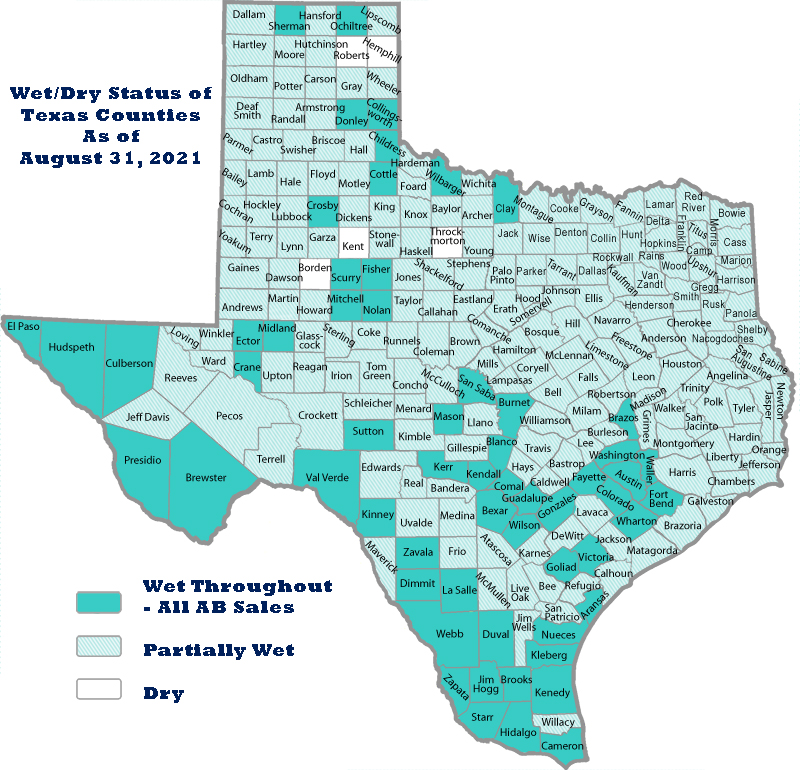
Also, it should be said that cities and precincts are allowed to have local ordinances that prevent the sale of alcohol in their jurisdiction. We'll have the full list, in tabular form, at the bottom of the page which shows which cities/precincts/counties prohibit alcohol sales.
Borden County
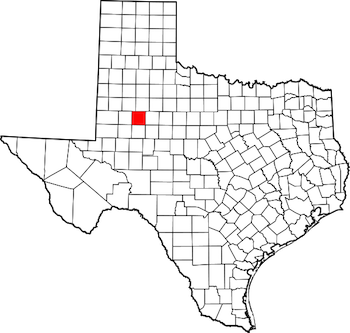
With a population of 641, Borden county is one of the states smaller counties. Peaking with a population of 1,386 in 1910, the counties population as steadily declined to a population of 641 in 2010. If you're looking to get a drink, check out Howard County to the south or Scurry County to the east.
Hemphill County
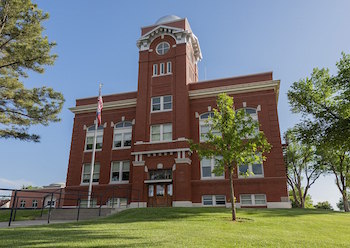
In the far north of the Texas border, right next to the Oklahoma border. Though still small, with a population of 3,807 it's one of the larger counties to be considered ry in the state. The city was at its peak in 1980 when it was home to 5,304 Texans. Since then it's population has hovered around the mid 3,000's. Need to get a drink? We'd recommend traveling to nearby Gray County located to the Southwest or traveling into Oklahoma.
Kent County
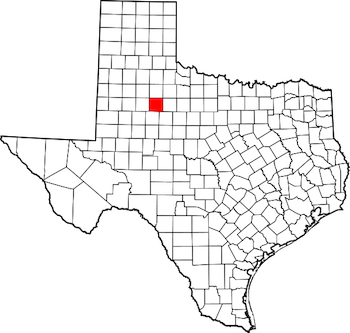
This brings us to tiny Kent County in Texas. Noted as Congressional District 19, the population of Kent County is only 808 as of 2010. The county reached its peak population in 1930 when it had a population of 3,851. The county is home to the ghost town of Clairemont, Texas. If you're looking for alcohol, your best bet is Scurry County nearby.
Roberts County
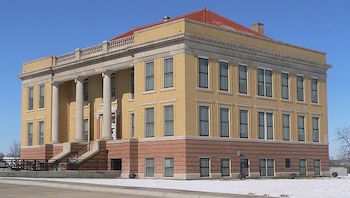
Another small county, Roberts County, Texas is home to only 929 according to the 2010 census. The counties population has been fairly consistent for the last 100 years, peaking at 1,469 in the 1920 census. At only 23,7% english, the population of Roberts County is fairly diverse with 18.4% of residents reporting as British and only 8.8% identifying as American.
Throckmorton County
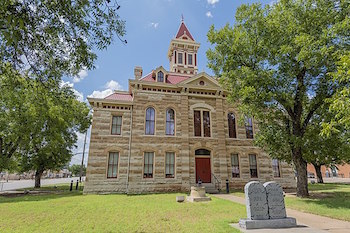
A mouthful of a county name, Throckmorton County, is home to 1,641 Texans. Having been created in 1860 (at the outset of the Civil War) the population ballooned to 5,253 in the 1930s and then fell every decade from there. If you're in Throckmorton county and looking for a drink, we'd suggest Archer County or Stephens County to the southeast.
Full List of Dry Counties, Cities and Precincts in Texas
Alas, the full list of not just the dry counties in Texas but also the cities and precincts too.
| County Name | County/City/Precinct | Authorized Beverages |
| Archer | JP2 | Dry |
| Archer | Holliday | Dry |
| Atascosa | Christine | Dry |
| Borden | Borden County | Dry |
| Borden | JP1 | Dry |
| Bosque | JP4 | Dry |
| Bowie | JP4 | Dry |
| Bowie | JP6 | Dry |
| Bowie | JP7 | Dry |
| Briscoe | JP3 | Dry |
| Briscoe | JP4 | Dry |
| Castro | JP2 | Dry |
| Castro | JP3 | Dry |
| Cherokee | Alto | Dry |
| Cherokee | Wells | Dry |
| Collin | Nevada | Dry |
| Collin | Parker | Dry |
| Collin | St. Paul | Dry |
| Collin | Westminister | Dry |
| Collin | Weston | Dry |
| Comanche | Energy | Dry |
| Comanche | Gustine | Dry |
| Comanche | Sidney | Dry |
| Comanche | Sipe Springs | Dry |
| Cooke | Callisburg | Dry |
| Coryell | Oglesby | Dry |
| Coryell | South Mountain | Dry |
| Dallas | Combine | Dry |
| Dallas | Grapevine (part) | Dry |
| Dallas | Ovilla | Dry |
| Denton | Clark | Dry |
| Denton | Double Oak | Dry |
| Denton | Marshall Creek | Dry |
| Denton | Shady Shores | Dry |
| Ellis | Bardwell | Dry |
| Ellis | Oak Leaf | Dry |
| Ellis | Ovilla | Dry |
| Ellis | Pecan Hill | Dry |
| Fannin | Dodd City | Dry |
| Fannin | Ector | Dry |
| Fannin | Revenna | Dry |
| Fannin | Windom | Dry |
| Floyd | JP2 | Dry |
| Floyd | JP4 | Dry |
| Floyd | Lockney | Dry |
| Gaines | JP2 | Dry |
| Gaines | JP3 | Dry |
| Gaines | JP4 | Dry |
| Gray | JP3 | Dry |
| Grayson | JP6 | Dry |
| Grayson | JP7 | Dry |
| Grayson | Bethel | Dry |
| Grayson | Dorchester | Dry |
| Grayson | Gordonville | Dry |
| Grayson | Sadler | Dry |
| Hale | Abernathy (part) | Dry |
| Hall | Lakeview | Dry |
| Hansford | Gruver | Dry |
| Hardin | JP6 | Dry |
| Harris | Galena Park | Dry |
| Harrison | Harleton | Dry |
| Hartley | Hartley | Dry |
| Haskell | Rochester | Dry |
| Haskell | Weinert | Dry |
| Hemphill | Hemphill County | Dry |
| Hemphill | JP1 | Dry |
| Hemphill | Canadian | Dry |
| Hemphill | Glazier | Dry |
| Henderson | Enchanted Oaks | Dry |
| Henderson | Eustace | Dry |
| Henderson | Moores Station | Dry |
| Henderson | Poyner | Dry |
| Henderson | Star Harbor | Dry |
| Hill | Mertens | Dry |
| Hockley | JP2 | Dry |
| Hockley | JP3 | Dry |
| Hood | Lipan | Dry |
| Hood | Tolar | Dry |
| Hopkins | Como | Dry |
| Hopkins | Tira | Dry |
| Howard | JP3 | Dry |
| Howard | JP4 | Dry |
| Howard | Forsan | Dry |
| Hunt | Celeste | Dry |
| Hunt | Lone Oak | Dry |
| Jack | Perrin | Dry |
| Jasper | JP6 | Dry |
| Jeff Davis | JP3 | Dry |
| Johnson | Briar Oaks | Dry |
| Johnson | Cross Timbers | Dry |
| Johnson | Keene | Dry |
| Jones | Hawley | Dry |
| Kaufman | Combine | Dry |
| Kaufman | Cottonwood | Dry |
| Kaufman | Grays Prairie | Dry |
| Kaufman | Rosser | Dry |
| Kaufman | Talty | Dry |
| Kent | Kent County | Dry |
| Kent | JP1 | Dry |
| Kent | KP2 | Dry |
| Kent | JP3 | Dry |
| Kent | JP4 | Dry |
| Kent | Jayton | Dry |
| King | Guthrie | Dry |
| Lamar | JP2 | Dry |
| Lamar | Blossom | Dry |
| Lamar | Reno | Dry |
| Lamar | Roxton | Dry |
| Leon | JP2 | Dry |
| Leon | Centerville | Dry |
| Liberty | Ames | Dry |
| Liberty | Daisetta | Dry |
| Liberty | North Cleveland | Dry |
| Lipscomb | Booker | Dry |
| Lipscomb | Darrouzett | Dry |
| Lipscomb | Follett | Dry |
| Lynn | JP2 | Dry |
| Lynn | JP3 | Dry |
| McLennan | JP6 | Dry |
| McLennan | Moody | Dry |
| Martin | JP1 | Dry |
| Martin | JP2 | Dry |
| Martin | JP3 | Dry |
| Martin | JP4 | Dry |
| Martin | Ackerly | Dry |
| Maverick | JP3 C | Dry |
| Maverick | Normandy | Dry |
| Maverick | Quemado | Dry |
| Milam | Gause | Dry |
| Montague | JP4 | Dry |
| Montague | Montague | Dry |
| Morris | JP1 | Dry |
| Morris | JP3 | Dry |
| Morris | JP4 | Dry |
| Morris | Daingerfield | Dry |
| Motley | Roaring Springs | Dry |
| Nacogdoches | Cushing | Dry |
| Nacogdoches | Woden | Dry |
| Navarro | JP4 | Dry |
| Navarro | Barry | Dry |
| Navarro | Blooming Grove | Dry |
| Navarro | Corbet | Dry |
| Navarro | Mildred | Dry |
| Navarro | Navarro | Dry |
| Navarro | Oak Valley | Dry |
| Navarro | Powell | Dry |
| Navarro | Retreat | Dry |
| Newton | JP1 | Dry |
| Newton | JP3 | Dry |
| Orange | Rose City | Dry |
| Palo Pinto | Santos | Dry |
| Parmer | JP1 | Dry |
| Parmer | JP3 | Dry |
| Parmer | JP4 | Dry |
| Parmer | Farwell | Dry |
| Parmer | Friona | Dry |
| Potter | Bushland | Dry |
| Real | JP4 | Dry |
| Red River | Avery | Dry |
| Red River | Bogata | Dry |
| Red River | Clarksville | Dry |
| Roberts | Roberts County | Dry |
| Roberts | JP1 | Dry |
| Roberts | Miami | Dry |
| Rusk | JP3 | Dry |
| Sabine | Bronson | Dry |
| San Augustine | JP1 | Dry |
| San Augustine | JP3 | Dry |
| San Augustine | Broaddus | Dry |
| San Patricio | Edroy | Dry |
| San Patricio | Odem | Dry |
| Shackelford | Albany | Dry |
| Shelby | JP2 | Dry |
| Shelby | JP3 | Dry |
| Shelby | JP5 | Dry |
| Stonewall | Swenson | Dry |
| Swisher | JP2 | Dry |
| Swisher | JP3 | Dry |
| Swisher | JP4 | Dry |
| Swisher | Happy | Dry |
| Swisher | Kress | Dry |
| Taylor | JP4 | Dry |
| Taylor | Lawn | Dry |
| Taylor | Trent | Dry |
| Taylor | Tye | Dry |
| Throckmorton | Throckmorton County | Dry |
| Throckmorton | JP1 | Dry |
| Throckmorton | Throckmorton | Dry |
| Tyler | JP3 | Dry |
| Tyler | JP4 | Dry |
| Tyler | Chester | Dry |
| Tyler | Colmesneil | Dry |
| Upshur | East Mountain | Dry |
| Uvalde | Utopia | Dry |
| Van Zandt | Edom | Dry |
| Van Zandt | Fruitvale | Dry |
| Wheeler | Auison | Dry |
| Wheeler | Briscoe | Dry |
| Wheeler | Kellerville | Dry |
| Wheeler | Mobeetie | Dry |
| Wheeler | Twitty | Dry |
| Willacy | JP5 | Dry |
| Wise | Paradise | Dry |
| Yoakum | JP3 | Dry |
| Yoakum | JP4 | Dry |
| Young | Eliasville | Dry |
| Young | Jean | Dry |
| Young | Loving | Dry |
| Young | Murray | Dry |
| Young | South Bend | Dry |
History of Alcohol Legislation in Texas
Texas has a long and complex history when it comes to alcohol regulation, particularly concerning the existence of "dry" counties—areas where the sale of alcohol is restricted or prohibited. These laws have evolved significantly over time, influenced by cultural, religious, and political factors. This essay explores the history of dry county laws in Texas, tracing their origins, the changes that have occurred over the years, and the current state of alcohol regulation in the Lone Star State.
The Roots of Dry Counties: Prohibition and Early Temperance Movements
The concept of dry counties in Texas dates back to the 19th century, when the temperance movement began to gain traction across the United States. The temperance movement, driven largely by religious and social groups, advocated for the reduction or elimination of alcohol consumption, which they viewed as a moral and social ill. In Texas, as in many other states, local communities began to pass ordinances banning the sale of alcohol, laying the groundwork for what would later become dry counties.
The movement reached its peak with the enactment of the 18th Amendment to the U.S. Constitution in 1920, which established nationwide Prohibition, banning the production, sale, and transportation of alcoholic beverages. During this period, Texas, like the rest of the country, was entirely dry by federal mandate. However, the prohibition era also saw the rise of illegal alcohol production and bootlegging, as well as widespread public dissatisfaction with the ban.
The repeal of Prohibition in 1933 with the 21st Amendment allowed states to regulate alcohol at the local level. Texas adopted a local option approach, meaning that individual counties and municipalities could decide whether to allow or prohibit the sale of alcohol. This led to the formal establishment of dry counties across the state.
Mid-20th Century: A Patchwork of Dry and Wet Areas
In the decades following the repeal of Prohibition, Texas became a patchwork of dry, wet, and partially wet counties. A "wet" county allows the sale of alcohol, while a "dry" county prohibits it. Some counties fell into a middle category, allowing limited alcohol sales, such as beer or wine, but not liquor, or permitting alcohol sales only in certain areas or under specific conditions (e.g., only in private clubs or with food service).
The decision to remain dry or go wet was often influenced by local cultural and religious values, particularly in rural areas of Texas where conservative Christian communities were more prevalent. In these areas, the push to remain dry was strong, and many counties voted to continue prohibiting alcohol sales.
At the same time, urban areas of Texas, which were growing rapidly during the mid-20th century, tended to favor allowing alcohol sales, viewing it as an economic boon that could support restaurants, entertainment venues, and tourism. The result was a state with a highly fragmented approach to alcohol regulation, where crossing county lines could mean a dramatic shift in the availability of alcoholic beverages.
Late 20th Century to Early 21st Century: Liberalization and Economic Factors
As Texas continued to urbanize and modernize in the latter half of the 20th century, the economic benefits of alcohol sales became increasingly apparent. This led to a gradual liberalization of alcohol laws, with many dry counties holding referendums to allow at least some form of alcohol sales. Economic development, particularly in terms of attracting businesses and tourism, became a significant motivator for these changes.
One key factor in this shift was the recognition that dry laws often pushed residents to neighboring counties to purchase alcohol, thereby diverting potential tax revenue away from their home counties. As more counties recognized the financial advantages of going wet, the number of dry counties in Texas began to decline.
In addition to economic factors, changing social attitudes toward alcohol also played a role. As Texas became more diverse and urbanized, the strict moral arguments that once underpinned the dry county movement began to lose some of their influence. Younger generations, in particular, tended to view alcohol more as a part of social life and less as a moral issue, further eroding support for dry laws.
The Current Landscape: A Mix of Dry, Wet, and In-Between
Today, the landscape of dry county laws in Texas is more varied than ever, reflecting the state’s diversity in terms of culture, geography, and economics. While the number of completely dry counties has dwindled, several still exist, particularly in rural areas where traditional values remain strong. However, many of these counties have adopted more flexible regulations, such as allowing alcohol sales in specific municipalities or under certain conditions.
Meanwhile, the vast majority of Texas counties now permit alcohol sales in some form, contributing to the state's robust economy, particularly in the hospitality and tourism sectors. Urban centers like Houston, Dallas, and Austin have long been fully wet, supporting vibrant nightlife and entertainment industries.
Despite this liberalization, the issue of dry counties remains a point of contention in some parts of the state. Local referendums on alcohol sales continue to occur, with communities weighing the economic benefits of going wet against cultural and religious opposition. These debates reflect the ongoing tension between tradition and modernization that characterizes much of Texas’s history.
All of that said, the history of dry county laws in Texas is a reflection of the state’s complex relationship with alcohol, shaped by a blend of cultural, economic, and political factors. From the temperance movement and Prohibition to the modern era of liberalized alcohol laws, Texas has seen significant changes in how it regulates alcohol sales. While the number of dry counties has decreased over time, the issue remains a relevant and sometimes contentious topic in many communities.
As Texas continues to grow and change, so too will its alcohol laws, reflecting the ongoing evolution of the state’s identity. Whether driven by economic necessity, shifting social attitudes, or the persistence of traditional values, the future of dry county laws in Texas will likely continue to be shaped by the dynamic interplay of these forces. No matter what happens, the team at TexasLawChanges will be here to document it.